Tuesday, June 18, 2024

New internal parasite guidelines from AAEP

The American Association of Equine Practitioners (AAEP) has issued revised Internal Parasite Control Guidelines to help minimise the risk of parasitic disease and maintain the effectiveness of current drugs for as long as possible by delaying further development of anthelmintic resistance.

The guidelines, originally created in 2013 and last revised in 2019, account for recent advances in knowledge concerning increased anthelmintic resistance and optimisation of parasite control management practices. They also address common misconceptions and offer parasite control program recommendations for senior horses (over 15 years old), mature horses (between 5 and 15 years old), and young horses (under 5 years old).

The guidelines were reviewed and updated by the AAEP Internal Parasite Control Guidelines Task Force, chaired by Dr. Nielsen and comprised of 10 AAEP members predominantly board certified in veterinary internal medicine, veterinary parasitology and/or veterinary microbiology. 

“We have seen dramatic development in the field of equine parasite control over the past 10 years, since we first launched these guidelines, and we work hard to keep our recommendations up to date,” said Martin Nielsen, DVM, PhD, DVSc, DAVCM, DEVPC, Schlaikjer Professor of Equine Infectious Diseases at the University of Kentucky.

Important conclusions to be drawn from the revised guidelines are to:

  • Perform fecal egg count reduction tests annually to ensure that you are using effective dewormers in every herd or barn.
  • Recognize that no anthelmintic will eliminate all parasitic stages from a horse.
  • Continue using fecal egg counts once or twice per year to stratify horses into low, medium and high shedders to reduce pasture contamination.
  • Deworm all horses at a baseline rate and target selected horses more often based on fecal egg counts.
  • Not use fecal egg counts to diagnose disease in horses as there is no correlation between fecal egg counts and disease-causing parasite life stages.
  • Discontinue deworming all horses with fixed intervals year-round and stop blindly rotating anthelmintic classes.

View the guidelines at https://aaep.org/resource/internal-parasite-control-guidelines.

You can access the entire guidelines document by clicking the Download Resource button.

Monday, June 17, 2024

Memory for dung sniffing

Horse dung (c) Avrezn Dreamtime.com
 Horses sniff dung for several reasons - for communication, social behaviour, and environmental awareness.  

Dung contains chemical cues that can convey information about the individual who deposited it, such as their identity, sex, and reproductive status. By sniffing dung, horses can recognize and gather information about other horses in their vicinity. It may also help horses understand social structures and hierarchies within a group, allowing them to recognize dominant individuals and avoid potential conflicts.


Horses may form "stud-piles" where they deposit dung in specific locations to mark their presence. This behaviour can communicate territorial boundaries or indicate that a particular area is frequently used by certain individuals or groups


Research by Audrey EM Guyonnet, and Ian Q. Whishaw, at the Canadian Centre of Behavioural Neuroscience, University of Lethbridge, Alberta looked at how horses use location , odour, and memory related to their encounters with dung.


In their study, which is reported in Behavioural Processes, they assessed the response of horses when they were led, at varying time intervals, to objects chosen by the experimenter or to dung deposits, which they were allowed to sniff.


Twenty-two horses were included in the study. which was carried out in a total of six riding arenas—two indoor and four outdoor. – 


The research team took video recordings of the horses encountering the objects and the dung Frame-by-frame video analysis assessed several factors: the way the horses approached the objects or dung deposits, the duration of sniffing, nostril use, ear position, and blinking associated with dung investigation.


The researchers found that horses consistently approached and sniffed dung deposits for a longer time compared to non-dung objects.


While they were sniffing, horses moved their heads across the dung deposits. They showed no specific nostril or ear preference when investigating the target and they tended to blink as they disengaged from sniffing.


Horses showed a reduced likelihood of approaching and shorter sniff durations when revisiting dung deposits encountered earlier the same day, regardless of the location. The researchers suggest that this indicates a strong short-term memory for dung and its location.


However, horses showed poor memory for dung visited on the previous day, suggesting that their memory for dung is good on the same day but significantly diminishes by the next day. This pattern reflects adaptive forgetting, allowing horses to focus on current environmental cues. (“Adaptive forgetting” refers to the brain's mechanism of intentionally forgetting certain information to optimise memory function and cognitive efficiency. It helps individuals prioritise relevant and important information while discarding outdated, irrelevant, or redundant data. This process is thought to enhance learning, decision-making, and overall cognitive performance.)


The researchers suggest that this phenomenon of adaptive forgetting, where memory for dung visited the previous day fades, may be beneficial for horses. It optimizes risk assessment by preventing unnecessary interruptions in foraging caused by conspecifics and ensures that their attention remains focused on current and potentially more relevant environmental cues.


For more details, see:


Audrey EM Guyonnet, Ian Q. Whishaw,

Adaptive forgetting of place/object memory for dung in the domestic horse (Equus ferus caballus): Memory for a day.

Behavioural Processes,

Volume 217,

2024,

105025,

ISSN 0376-6357,

https://doi.org/10.1016/j.beproc.2024.105025

Friday, June 14, 2024

Do endocrine disorders affect anthelmintic performance?

Recent research indicates that insulin dysregulation may affect the performance of anthelmintics
like ivermectin. This suggests that horses with such endocrine disorders might be more prone to parasitic infections.

In a study conducted by Martin Nielsen and colleagues at the University of Kentucky, the response to ivermectin was evaluated in horses with insulin dysregulation (ID), pituitary pars intermedia dysfunction (PPID), or neither condition. 


The study population was part of a special herd at the University of Kentucky’s Department of Veterinary Science, which included horses with and without these endocrine disorders. These horses were kept in permanent paddocks without pasture rotation or enhanced hygiene practices and received routine anthelmintic treatments: ivermectin in March or April and July or August, and moxidectin/praziquantel in November.


The study focused on senior horses (aged 13 years and over) and those with or without PPID, ID, or both. Out of 47 horses in the research herd, 19 met the criteria for inclusion. These horses, all with positive faecal worm egg counts, were treated with ivermectin at the recommended dose of 200 mcg/kg. Faecal samples were collected before treatment, two weeks post-treatment (for the Faecal Egg Count Reduction Test, or FECRT), and then weekly until worm eggs reappeared in the faeces (Egg Reappearance Period, or ERP).


Two laboratory tests were employed to assess the response to ivermectin: the Faecal Egg Count Reduction Test (FECRT) and the Egg Reappearance Period (ERP). For the FECRT, a reduction of at least 99.7% in worm egg counts is considered effective two weeks post-treatment. The ERP for ivermectin is typically 8-10 weeks.


The study found no significant differences in the effectiveness of ivermectin between the groups. However, the small sample size may have made it difficult to detect any potential differences. Overall, ivermectin was highly effective, with all horses showing a greater than 99.7% reduction in worm egg counts at the two-week mark. 


Nonetheless, the researchers observed that the ERP was shorter in horses with ID and those with both PPID and ID, at six and seven weeks respectively, compared to eight weeks for both the PPID-only and healthy control groups.


They suggest that their findings indicate a need for further investigation of the possible influence of endocrine disorders on anthelmintic performance in horses.


For more details, see:


M.K. Nielsen, C.A. Finnerty, N.E. Ripley, A.E. Page, M.E. McClendon, A.A. Adams,

Ivermectin performance in horses diagnosed with equine endocrine disorders,

Veterinary Parasitology, (2024) Vol 328,110182,

https://doi.org/10.1016/j.vetpar.2024.110182

Saturday, June 08, 2024

Effect of diet on strongyle infection and gut microbiome

Recent research from France suggests that the first step in controlling intestinal worm infections inanimals should be providing them with diets that maintain a healthy gut ecosystem. 

Horses’ intestines can harbour many different worms, some of which can cause severe disease. It's concerning that some of these worms are becoming resistant to deworming medications. This resistance has emerged through factors such as incorrect dosing or frequent use of the same medications.


It's clear that we need to adopt a more sustainable approach to managing equine  intestinal parasites.


To address this challenge, scientists are exploring different methods, including dietary changes. These diets might enhance the body's defences, regulate gut bacteria, or directly combat parasites. For example, certain foods containing plant compounds might hinder worm reproduction in the body.


A study by Noémie Laroche and colleagues, at Lab to Field, Dijon, and the University of Bourgogne Franche-Comté, investigated how diet affects strongyle infection in horses, focusing on immune-mediated, microbiota-mediated, or direct deworming mechanisms. The work is reported in PLos ONE.


They studied twelve adult French Trotter geldings naturally infected with strongyles. These horses were divided into two groups and fed either a high-fibre or high-starch diet, along with supplements containing polyphenol-rich pellets from dehydrated sainfoin or control pellets made from sunflower and hay.


The study revealed that horses on a high-starch diet had higher strongyle egg excretion compared to those on a high-fibre diet. However, adding sainfoin to the high-starch diet reduced egg excretion. What’s more, sainfoin supplementation decreased larval motility, regardless of the diet.


Moreover, the high-starch diet was associated with lower faecal bacterial diversity, changes in faecal microbiota structure, lower faecal pH, reduced blood acetate levels, and lower haematocrit compared to the high-fibre diet.


Overall, these findings suggest that dietary changes can be an alternative strategy for managing helminth infections. 


The study highlights the importance of considering broader ecological mechanisms in parasite management strategies. The researchers emphasize that eradicating helminth infections entirely is unrealistic and could have negative effects. 


They write: “… pursuing a goal of eradicating helminth infection (zero infection) is not only illusionary but also likely to produce more negative effects than benefits. Mammals have coevolved with helminths during millions of years, and in most cases, the infection does not produce severe symptoms.’


“We therefore suggest that a safer strategy to control helminth infection would be to improve host tolerance to the infection rather than pursuing a hopeless, environmentally toxic, strategy of drug-based eradication.”


For more details, see:


Laroche N, Grimm P, Julliand S, Sorci G (2024) 

Diet modulates strongyle infection and microbiota in the large intestine of horses. PLoS ONE 19(4): e0301920. 

https://doi.org/10.1371/journal.pone.0301920

Thursday, June 06, 2024

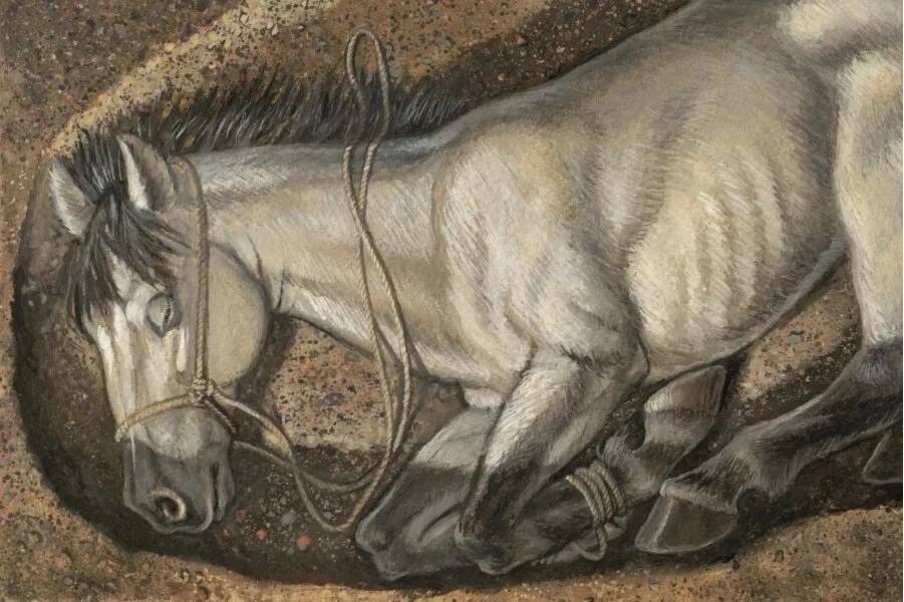
Ritual horse sacrifice in Baltic region in the Middle Ages

Artists impression. Credit: Miroslav Kuzma
 Research from Cardiff University indicates that during the Late Viking Age, horses were transported across the Baltic Sea in ships and sacrificed in funeral rituals. Published in the journal Science Advances, studies on horse remains found at ancient burial sites in Russia and Lithuania show that these animals were brought from Scandinavia via extensive trade networks connecting the Viking world with the Byzantine and Arab Empires.

Horse sacrifice was practiced in various parts of Europe during ancient and medieval times for religious, ceremonial, and symbolic purposes. While the practice varied across different regions and periods, it remained a significant aspect of ancient spiritual and cultural life.


Up to now, researchers had believed sacrificial horses were always locally-sourced stallions. But these results reveal some horses had travelled up to 1,500 km across the Baltic Sea from modern-day Sweden or Finland. The findings also show that the sex of the horse was not necessarily a factor in them being chosen for sacrifice, with genetic analysis showing one in three of these horses were mares.


The research team used a scientific technique called strontium isotope analysis on 74 horse teeth from ritual burial sites to identify their origins. 


Strontium, a naturally occurring element in rocks, soil, and water, has different isotope ratios in various geological formations. As plants absorb strontium and animals consume these plants, the strontium gets incorporated into their bones and teeth. The ratio of 87Sr to 86Sr in a sample reflects the geological signature of the area where the animal lived or fed.


Teeth are particularly valuable for this analysis because they form at specific periods in an animal's life and do not remodel after formation, preserving the strontium isotopic signature of the environment at the time of their formation. This allows archaeologists to trace the life journeys of animals hundreds of years later.


Horse sacrifices were highly visible and symbolic public rites across pagan prehistoric Europe, persisting the longest among the Baltic tribes, up to the 14th century AD. Offering pits might include multiple horses, single complete horses, or partial animals. In many Baltic cemeteries, horses were buried separately from humans, though there are numerous examples of horses buried with overlain human cremations.


In a press release, lead author Dr Katherine French, formerly of Cardiff University’s School of History, Archaeology and Religion, now based at Washington State University, said: “This research dismantles previous theories that locally procured stallions were exclusively selected for sacrifice. Given the unexpected prevalence of mares, we believe the prestige of the animal, coming from afar, was a more important factor in why they were chosen for this rite.


“Viking Age trade routes stretched from modern Iceland, Britain, and Ireland in the West all the way to the Byzantine and Arab Empires in the East. The presence of a trader’s weight in one horse grave points to the key role of horses in these vibrant trade networks.”


Co-author Dr Richard Madgwick, also based at Cardiff University’s School of History, Archaeology and Religion, said: “Pagan Baltic tribes were clearly sourcing horses overseas from their Christian neighbours while simultaneously resisting converting to their religion. This revised understanding of horse sacrifice highlights the dynamic, complex relationship between Pagan and Christian communities at that time.”


This project received funding from the EU Horizon 2020 scheme, Polish Ministry of Science and Higher Education, National Geographic Society, Society for Medieval Archaeology, Alexander von Humboldt Foundation, Deutsche Forschungsgemeinschaft, and Cardiff University.


For more details, see:


French, K. M., Musiał, A. D., Karczewski, M., Daugnora, L., Shiroukhov, R., Ropka-Molik, K., Baranowski, T., Bertašius, M., Skvortsov, K., Szymański, P., Mellin-Wyczółkowska, I., Gręzak, A., Wyczółkowski, D., Pluskowski, A., Andersen, M., Millet, M. A., Inglis, E., & Madgwick, R. (2024). 

Biomolecular evidence reveals mares and long-distance imported horses sacrificed by the last pagans in temperate Europe. 

Science advances, 10(20), eado3529. 

https://doi.org/10.1126/sciadv.ado3529


press release:  https://www.cardiff.ac.uk/news/view/2814957-pagan-christian-trade-networks-supplied-horses-from-overseas-for-the-last-horse-sacrifices-in-europe


video: https://www.youtube.com/watch?v=AbMbvXKv_AA

Saturday, June 01, 2024

Lyophilized colostrum: a viable alternative for foals?

 Colostrum is essential for a foal to have a good start in life. The first milk produced by mammals
after giving birth, colostrum is rich in antibodies, growth factors, and nutrients essential for newborn development. Foals require good quality colostrum in the first hours of life to ensure an adequate transfer of passive immunity.

Stud farms often maintain a supply of high-quality colostrum by collecting and freezing some from donor mares.


However, individual mare owners have more limited options. Commercial products like dried colostrum powder, usually made from processed cow colostrum, can provide some level of IgG to foals, but are generally not considered equivalent to mare colostrum in terms of quality and effectiveness.


Further research and development of equine-specific colostrum products, including lyophilized (freeze-dried) mare colostrum, may offer better alternatives for ensuring foal health and immunity.


Research by Thatyane Carla de Lima and colleagues, in Brazil, compared the quality of equine colostrum after freezing and lyophilisation, evaluating IgG concentration (using Simple Radial Immunodiffusion, SRID, and Brix refractometry) and the physicochemical characteristics of equine colostrum post-freezing and lyophilization. A report of their work is published in the Journal of Equine Veterinary Science


Thirty-one pregnant Quarter Horse mares participated in the study. Colostrum collected from these mares was divided into two samples: one for freezing and one for lyophilization. 


The research team measured the IgG concentration of both frozen and lyophilized colostrum by SRID, (the reference standard test), and Brix refractometry (a technique widely used for estimating colostrum quality in cattle.)   


Additionally, they evaluated properties such as pH, total protein (TP), fat, lactose, salts, total solids (TS), and density. They also tested the effect of reconstitution on the lyophilized colostrum.


They found no significant differences (P > 0.05) in IgG, fat, lactose, salts, TS, density, and pH between colostrum samples before and after lyophilization. Lyophilization resulted in a minor reduction (6.55%) in IgG concentration as measured by SRID.


 However, they did find a significant difference in the average Brix score and total protein, indicating that lyophilization alters some colostrum characteristics.


The results suggest lyophilization as a viable method for mare colostrum conservation, to ensure foals receive the essential nutrients and antibodies for a healthy start. It offers practical benefits, including long-term storage without refrigeration and easy transportation.


The authors suggest that further research, such as in vivo studies to evaluate the product's acceptance and the absorption of immunoglobulins, is recommended. 


For more details, see:


de Lima TC, de Sobral GG, de França Queiroz AES, et al.

Characterization of lyophilized equine colostrum. 

J Equine Vet Sci. 2024;132:104975. 

https://doi.org/10.1016/j.jevs.2023.104975

Wednesday, May 15, 2024

Effect of anthelmintics on the gut microbiome

 While anthelmintic treatments are invaluable for controlling parasitic worm infections, new research shows they can also have unintended consequences on the gut microbiota. 

Michel Boisseau and colleagues conducted a study to explore how helminths, particularly cyathostomins, interact with the gut microbiota in their host animals. 


The research team observed naturally infected ponies to track changes in this relationship over time, both before and after treating them with pyrantel. (Pyrantel targets adult cyathostomins without affecting larval stages in the gut wall.) 


They also looked at how the ponies' blood gene expression responded to the anthelmintic treatment. Their work is reported in iScience.


The study involved 40 naturally infected Welsh pony mares, divided into four groups based on their worm burden and whether they received pyrantel treatment. 


Among the high shedding ponies, the researchers identified 14 species of cyathostomins, the most abundant of which was Cylicocyclus nassatus. They found that ponies with high cyathostomin egg counts had a richer and more dynamic gut microbiota. The presence of butyrate-producing Clostridia seemed to play an important role in maintaining stability within the ecosystem, while also bolstering host tolerance towards cyathostomin infections. Genes involved in B-cell activation and IgA synthesis were upregulated in high shedding ponies.


The administration of anthelmintic treatment induced a dramatic shift in the gut environment and microbial community dynamics, with the population being less stable. These changes were still present 7 days after treatment, and to a lesser extent after 15days. Anthelmintic treatment only had a limited effect on the host blood gene expression.


The researchers conclude: “These observations highlight how anthelmintic treatments alter the triangular relationship of parasite, host, and gut microbiota and open new perspectives for adding nutritional intervention to current parasite management strategies.”


For more details, see:


Michel Boisseau, Sophie Dhorne-Pollet, David Bars-Cortina, Élise Courtot, Delphine Serreau, Gwenolah Annonay, Jérôme Lluch, Amandine Gesbert, Fabrice Reigner, Guillaume Sallé, Núria Mach,

Species interactions, stability, and resilience of the gut microbiota - Helminth assemblage in horses,

iScience, Vol 26, 2, (2023), 106044.


https://doi.org/10.1016/j.isci.2023.106044


Sunday, May 12, 2024

Assessing the impact of blindfolding on equine handling

Blindfolding horses is thought to make them easier to handle in stressful situations. By covering their eyes, blindfolds can reduce distractions that might make them anxious, especially in new or tense environments. However, there has been limited research in this area so far.

A study conducted by Caleigh Copelin, Bryn Hayman, Renée Bergeron, and Katrina Merkies at the University of Guelph investigated this topic. Their research suggests that blindfolding might offer benefits when encountering visually intimidating stimuli, especially in situations where time constraints are not present.


However, in emergency situations, such as barn fire evacuations, blindfolding is likely to prolong lead time and exacerbate handling difficulties. This could impede successful rescue efforts and potentially jeopardize the safety of both humans and animals.


The study involved thirty-three riding school horses led through a course of obstacles, both blindfolded and unblindfolded. Parameters such as time taken, lead rope pressure, heart rate, and frequency of avoidant or resistant behaviour were recorded and compared between the two groups.


Overall, blindfolded horses required more time and exerted greater lead rope pressure when led from a stall compared to unblindfolded horses. They also exhibited higher frequencies of avoidant and refusal behaviours and experienced higher heart rate increases during the process. 


However, when navigating a visually frightening obstacle (a gate made of pool noodles that brushed their flanks), blindfolded horses needed less time, exerted less lead rope pressure, and displayed fewer avoidant or refusal behaviours, than they did when not blindfolded.


The researchers suggest that blindfolding may be beneficial in situations involving visually frightening stimuli and where time constraints are not a concern. Nevertheless, further research is necessary to evaluate more realistically the effectiveness of blindfolds in simulated emergency scenarios.


For more details, see:


Copelin, C, Hayman, B, Bergeron, R, Merkies, K,.

Compliance or confusion? The usefulness of blindfolding horses as a handling technique,

Applied Animal Behaviour Science, (2024)

Vol 271,106180,


https://doi.org/10.1016/j.applanim.2024.106180

Thursday, May 09, 2024

Iron-related inflammatory markers in colic


Colic is a major concern for horse owners, with two main types: those treatable with medicine
and those needing surgery. Quickly identifying which cases need surgery is crucial. 


In the early stages of inflammation, the liver releases acute phase proteins (APPs) like haptoglobin, fibrinogen, and serum amyloid A. Recent studies propose that blood iron levels could also indicate inflammation severity in colic cases.


Paulo Canola and colleagues evaluated serum ferritin, transferrin and iron levels as acute phase inflammatory markers in horses admitted to the hospital with colic. 


Ferritin, which stores iron in a non-toxic form, helping to regulate iron levels in the body, is recognized as a positive inflammatory marker, increasing in the acute phase


Transferrin, a glycoprotein found in blood plasma that binds to iron and transports it throughout the body, decreases in acute inflammation.


The researchers analysed these markers alongside total protein, fibrinogen, ceruloplasmin, albumin, and haptoglobin levels in blood samples from 12 colic surgery cases and 10 healthy horses. They compared healthy horses with colic cases, small and large intestinal obstructions, and survival rates. The work is published in the Journal of Equine Veterinary Science.


They found higher transferrin and haptoglobin levels and lower serum iron in colic cases compared to healthy horses. Large intestinal obstruction cases had lower transferrin levels than small intestinal obstruction cases. Fibrinogen levels were higher in horses more likely to die from strangulating lesions.


The researchers suggest that the acute phase proteins examined in the study could be used to evaluate the acute inflammatory response in horses with colic requiring surgery. 


For more details, see: 


P.A. Canola, R.F. de Salles, E.R. Daneze, M.F.R. Sobreira, B.E. de Oliveira, M.L. Favero, M.L. Antonioli.

Iron-related markers of inflammation in horses with colic.

Journal of Equine Veterinary Science, (2024) vol 134, 105010,

https://doi.org/10.1016/j.jevs.2024.105010

Monday, May 06, 2024

When. to treat melanoma?

(c) Callpso88 Dreamstme.com
 A recent report suggests that a more pro-active approach to melanomas in horses could bejustified.

Melanomas are common in horses. They are usually found underneath the dock of the tail, in the anal, perianal and genital regions, and on the lips, eyelids, and sometimes around the salivary glands. Typically, they present as rounded black nodules.


Grey horses are far more susceptible to melanoma than horses of any other coat colour, with up to 80% of grey horses developing a melanoma at some point in their lives.


Despite their prevalence, our understanding of various aspects of this disease remains incomplete.


Prevailing attitudes among some owners and veterinarians suggest a reluctance to intervene early, guided by the belief that these tumours progress slowly, and that surgical intervention may exacerbate the horse's condition. But is this approach justified? 


Researchers in Portugal conducted a study to evaluate the effect of delayed excision on the clinical, histological, and immunohistochemical characteristics of equine melanoma. Their findings are published in Animals.


For this retrospective investigation, the research team reviewed tissue samples and clinical records of horses whose melanoma tissues had been submitted between 2010 and 2023. An analysis was conducted on data from 34 horses, encompassing a total of 42 melanomas, of which 13 were benign and 29 were malignant. The primary objective was to explore the clinical and histological variances between tumours that underwent prompt excision versus those left untreated for an extended duration.


The study found significant correlations between delayed excision and adverse outcomes, shedding light on the potential repercussions of postponing surgical intervention in equine melanomas.


Tumours excised at later stages were significantly larger than those subjected to earlier intervention. Additionally, delayed excision correlated with a higher incidence of multiple tumours, particularly among horses harbouring melanomas for over six years.


But more importantly, the interval between excision and diagnosis demonstrated a pronounced link with tumour malignancy, Melanomas excised at later stages were five times more likely to exhibit malignant characteristics compared to those removed earlier. 


These findings highlight the impact of delayed excision on the progression and severity of equine melanomas.


The report’s authors conclude that early intervention not only facilitates easier tumour removal but also mitigates the risk of future complications. 


“With this work, we provide scientific and objective evidence that time significantly influences equine melanomas, contributing to an increase in their size, number, and malignancy. As such, this work clarifies the importance of early intervention in preventing future complications caused by these tumours. This data may help clinicians in advising horse owners.”


For more details, see: 


Pimenta J, Prada J, Pires I, Cotovio M. 

The Impact of Excision Interval on Equine Melanoma Progression: Time Matters? 

Animals. 2024; 14(8):1244.

https://doi.org/10.3390/ani14081244

Saturday, May 04, 2024

Investigating cabergoline for treating equine Cushing’s disease

 Cabergoline shows promise as a treatment option for equine Cushing’s disease, according to a recent report.

Cushing’s disease or Pituitary Pars Intermedia Dysfunction (PPID) is a common condition in older horses, resulting from increased activity in the intermediate lobe of the pituitary gland. This excessive activity has been attributed to nerve damage impairing its regulation, with dopamine acting as the crucial neurotransmitter. When dopamine levels are deficient, the pituitary gland becomes overactive, leading to the release of various hormones, such as adrenocorticotropic hormone (ACTH).


Clinical manifestations associated with PPID are well-documented and include hypertrichosis, laminitis, polyuria, polydipsia, lethargy, muscle wastage, and delayed wound healing.


Dopaminergic agonists, medications that mimic the action of dopamine, function by stimulating dopamine receptors in the pituitary gland. This stimulation results in the inhibition of the release of certain hormones, including ACTH, thereby mitigating clinical signs such as abnormal hair coat, muscle wasting, and laminitis.


Pergolide, a dopamine agonist, stands as the primary treatment for managing PPID and is approved for oral administration in equines. However, some horses may exhibit resistance to daily oral dosing. Cabergoline, another dopamine agonist like pergolide, currently is not licenced for use in horses.


A recent retrospective study conducted by Tania Sundra of Avon Ridge Equine Veterinary Services in Brigadoon, WA, Australia, along with colleagues, explored the efficacy of intramuscular extended-release cabergoline (ERC) injection in treating PPID. Despite being unlicensed, this treatment modality is increasingly utilized off-label in clinical practice for managing PPID. The study examined clinical records of privately-owned horses with PPID that had undergone intramuscular cabergoline treatment at Avon Ridge Equine Clinic.


The study examined the short-term (5–8 days) and longer-term (12 months) clinical and endocrinological responses to two doses of cabergoline: a low dose (0.005mg/kg) extended-release cabergoline (LDERC) and a high dose (0.01mg/kg) extended-release cabergoline (HDERC).


Results showed that although both doses of ERC led to a decrease in median ACTH concentration, the levels remained above the seasonal reference range in about half of the treated horses. However, similar responses had been noted in previous studies involving pergolide treatment for PPID.


Owners reported clinical improvement in 78.3% and 100% of horses treated with LDERC and HDERC, respectively. 


Common side effects of dopamine agonists, such as decreased appetite, lethargy, gastrointestinal upset, and behavioural changes, were observed. Notably, partial, self-limiting inappetence was reported in 30.0% of LDERC cases and 60% of HDERC cases, with seven horses exhibiting lethargy.


In cases of partial anorexia, owners noted that horses preferred long-stem forage (hay or grass) over cereal-based feeds. The clinical and endocrinological responses observed were consistent with previous reports of oral pergolide treatment.


The authors suggest that weekly injection of ERC may serve as an effective alternative to pergolide. The 0.005mg/kg dose appeared to be as effective as the 0.01mg/kg dose but with a lower risk of inappetence.


While cabergoline shows promise as a treatment option for PPID in horses, further research is necessary to fully establish its efficacy, safety profile, and optimal usage protocols.


For more details, see: 


Sundra T, Kelty E, Rossi G and Rendle D (2024) 

Retrospective assessment of the use of extended-release cabergoline in the management of equine pituitary pars intermedia dysfunction. 

Front. Vet. Sci. 11:1332337. 

https://doi.org/10.3389/fvets.2024.1332337

Saturday, April 27, 2024

Research into possible markers of joint health

(c) Virgonira Dreamstime.com
 Recent research suggests that microRNAs (miRNAs) present in blood and synovial fluid may one day serve as
valuable biomarkers for evaluating joint health.
  

Osteoarthritis (OA) is prevalent among horses, particularly in athletic and older individuals, characterised by the gradual deterioration of synovial cartilage, underlying bone, and the synovial membrane of joints. Inflammation significantly contributes to OA's pathogenesis.


MiRNAs are implicated in the onset and progression of various diseases, including OA. They participate in regulating processes such as inflammation, cartilage degradation, chondrocyte apoptosis, and extracellular matrix (ECM) remodelling. By targeting genes involved in cytokine production, such as interleukins (ILs) and tumour necrosis factor-alpha (TNF-α), miRNAs modulate inflammatory responses.


Chondrocytes, the primary cells in cartilage tissue, play a pivotal role in maintaining cartilage homeostasis. Dysregulation of miRNAs can disrupt chondrocyte function and induce apoptosis, thereby contributing to cartilage degradation in OA.


Joshua Antunes and his colleagues at the Ontario Veterinary College, University of Guelph, Canada, undertook a study comparing miRNA levels in healthy and diseased joints, with their findings published in PLoS One.


In this small-scale investigation, they examined synovial fluid and blood samples from five horses with osteoarthritis (OA), five with osteochondritis dissecans (OCD), and four control horses. Samples were obtained from client-owned horses undergoing joint arthroscopy for OA or OCD, while control samples came from the Arkell Equine Research Facility's herd at the University.


Analysis revealed 57 miRNAs with differential expression in OA versus control plasma, 45 in OCD versus control plasma, and 21 in OA versus OCD plasma. Notably, they observed higher expression of miR-140-5p in OA synovial fluid, suggesting its potential as an early protective marker against OA progression.


The researchers emphasize the need for larger study cohorts to validate miRNAs as joint health biomarkers before reaching definitive conclusions. 


They also highlight the possibility of exploring miRNA-mRNA regulatory networks in OA, potentially leading to innovative miRNA-based diagnostic tools and therapies for this debilitating condition. Additionally, they propose further investigation into the therapeutic applications of these miRNAs for both OA treatment and prevention.


For more details, see:


microRNAs are differentially expressed in equine plasma of horses with osteoarthritis and osteochondritis dissecans versus control horses

Joshua Antunes, Ramés Salcedo-Jiménez, Starlee Lively, Pratibha Potla, Nathalie Coté, Marie-Soleil Dubois, Judith Koenig, Mohit Kapoor, Jonathan LaMarre, Thomas Gadegaard Koch

PLOS ONE

https://doi.org/10.1371/journal.pone.0297303

Sunday, April 21, 2024

Interferon as potential treatment for periocular squamous cell carcinoma

Example of SCC, before (left) and after treatment
 with INFα-2b . (c) Martabano et al. For more photos, see


Injecting interferon alpha-2b (INFα-2b) may provide a new treatment for periocular squamous cell carcinoma in horses according to a recent report. 

Squamous cell carcinoma (SCC) is a type of skin cancer that commonly affects horses. 


SCC typically appears as nodules or masses on the skin or mucous membranes. These lesions can vary in size and colour but often appear ulcerated or crusted. SCC commonly affects areas with less pigment or areas exposed to sunlight, such as the eyelids, lips, and genital regions. 


Various treatment options may be considered including surgical excision, cryotherapy (freezing), laser therapy, topical medications, and radiation therapy.


A recent clinical investigation conducted by Brittany B. Martabano and colleagues from Colorado State University explored the efficacy of intralesional interferon alpha-2b (INFα-2b) treatment in 11 horses (12 eyes) diagnosed with periarticular squamous cell carcinoma (PSCC). The comprehensive findings of this study have been published in PLOS One.


Before commencing treatment, all horses underwent biopsy confirmation of PSCC diagnosis and were deemed healthy otherwise.


The treatment regimen involved injections, under sedation, of 10 million IU of INFα-2b every two weeks for a maximum of six sessions. The research team assessed the response by measuring lesion sizes before each treatment and subsequently at one, three, and twelve months after the end of the course of treatment. A response was considered positive if there was a reduction in tumour size exceeding 50%.


The researchers also checked for the development of antibodies against INFα-2b and assessed their potential impact on treatment response.


Results indicated that five out of twelve eyes (four out of eleven horses) responded positively to the treatment, with two eyes showing complete resolution of PSCC. No systemic adverse effects were observed, although local swelling occurred in six out of eleven horses during treatment, which resolved spontaneously.


All horses developed serum anti-IFNα2b antibodies, with no discernible difference in antibody concentration between responders and non-responders.


The researchers conclude that injecting IFNα2b into PSCC was well-tolerated in horses and led to tumour regression in 42% of treated eyes. They found no association between treatment failure and the development of IFNα2b antibodies.


For more details, see:


Intralesional interferon alpha-2b as a novel treatment for periocular squamous cell carcinoma in horses

Brittany B. Martabano, Steven Dow, Lyndah Chow, Margaret M. V. Williams, Maura K. Mack, Rebecca Bellone, Kathryn L. Wotman

Research Article | published 21 Feb 2024 PLOS ONE

https://doi.org/10.1371/journal.pone.0297366


Friday, April 19, 2024

Role of in-breeding in pregnancy loss

 A recent study conducted by the Royal Veterinary College (RVC) in collaboration with Cornell University sheds light on the role of inbreeding in mid and late-term pregnancy loss (MLPL) among UK Thoroughbreds. Interestingly, while inbreeding does impact MLPL, it has little effect on early pregnancy loss (EPL).

The research specifically explores the influence of genomic inbreeding levels on late-term pregnancy loss in horses. These findings provide valuable insights for breeding practices, which can help inform mating decisions to reduce the risk of miscarriages in Thoroughbreds.


Inbreeding, the mating of related individuals, is a common practice in the livestock industry and can be beneficial in controlled breeding programs for consolidating desirable traits within a population. However, excessive inbreeding heightens the likelihood of producing offspring with harmful homozygous recessive genotypes. This can lead to genetic disorders, reduced fertility, and decreased overall population fitness.


Approximately five to ten percent of equine pregnancies result in early pregnancy loss (EPL), while seven percent are lost between Day 70 of gestation and 24 hours postpartum (MLPL). Despite this, prior to this study, there had been no genomic analysis of the correlation between inbreeding levels and pregnancy loss in horses.


Led by Dr. Jessica Lawson, Alborada Trust Research Fellow at the RVC, and Professor de Mestre at the Baker Institute for Animal Health at Cornell University, along with former RVC PhD student Dr. Charlotte Shilton, the research team analysed DNA samples from 189 individuals. These samples included allantochorion and foetal DNA from early pregnancy loss (EPL) cases (n=37, gestation age 14–65 days), mid and late-term pregnancy loss (MLPL) cases (n=94, gestational age 70 days–24 hours post parturition), and hair or blood samples from adult UK Thoroughbred controls (n=58).


The study revealed that Thoroughbred pregnancies lost in mid and late gestation (MLPL) had significantly higher inbreeding metrics compared to UK Thoroughbred adult controls. Conversely, pregnancies lost early in gestation (EPLs) showed no significant difference in inbreeding metrics compared to controls.


These findings emphasise the importance of informed mating decisions in the Thoroughbred breeding industry. Moreover, they stress the need for further research to identify and characterise genomic changes that may prove detrimental to pregnancy.


Dr Jessica Lawson, Alborada Trust Research Fellow at the RVC, said: “This research provides critical evidence showing that mating highly related individuals does have a tangible effect on our breeding operations, as there is a real risk of a mare losing her pregnancy late in gestation and failing to produce a foal at all that season. 


“The take home from our work should be to carefully consider breeding choices that involve mating of highly related individuals as, ultimately, this may increase the chance of the foal inheriting mutations which may not be compatible with life. We are already working on the next step, looking to identify these changes so more specific advice can be provided in the future”.


This research was funded by the Thoroughbred Breeders Association, Horserace Betting Levy Board, the Alborada Trust, and partial PhD studentship funding from the Royal Veterinary College's Paul Mellon Trust for Equine Research.


For more details, see: 

Lawson JM, Shilton CA, Lindsay-McGee V, Psifidi A, Wathes DC, Raudsepp T, de Mestre, AM.

Does inbreeding contribute to pregnancy loss in Thoroughbred horses? 

Equine Vet J. 2024.

https://doi.org/10.1111/evj.14057


Edited press release. Read the original press release:

https://www.rvc.ac.uk/equine-vet/news/new-rvc-research-finds-inbreeding-is-contributing-factor-to-mid-and-late-term-pregnancy-loss-in-thoroughbreds