Tuesday, January 31, 2023

Free webinars from Marion duPont Equine Medical Centre

 The Marion duPont Scott Equine Medical Center has announced a series of “Tuesday Talks” over the next few months.

 Topics to be covered are:


Tuesday, February 14:

Jennifer Barrett, DVM, Ph.D., DACVS, DACVSMR - “Let's Get Moving! Regenerative medicine for orthopedic injuries”

"From stem cells to blood-based biologics, the choices for treating tendon, ligament, and joint injuries are myriad. Learn the biology behind the therapies, most notably the evidence supporting their use."  


Tuesday, March 14: 

Elizabeth MacDonald, BVMS, MS, DACVIM (LAIM) - “The Scoop on Loose Poop: Equine Diarrhea”

"Diarrhea in the horse can range from mild chronic diarrhea to acute severe diarrhea. The common causes of diarrhea in the horse will be reviewed, along with ways to diagnose the underlying cause, and when to become concerned as an owner." 


Tuesday, April 11: 

Megan Marchitello, DVM - “Equine Respiratory Disease: It’s a lung story”

"An overview of the equine respiratory tract and common pathology".


Tuesday, May 9: 

Teresa Hopfgartner, DVM “Lumps and Bumps - Common Equine Skin Tumors”

"While cancer is not as prevalent in horses as it is in humans, cancers of the skin are fairly common in horses and most of them are easy to spot. We will be discussing the most common skin tumors in horses - sarcoids, squamous cell carcinomas and melanomas - in horses and discuss how (surgical) treatment is applied and what you can expect following treatment."


Each presentation starts at 7 p.m. (EST), will be about one hour long, and is free to attend. Although it is possible to attend in person, a webinar link is also available.


For more details, and to register, go to:


https://aimsbbis.vt.edu/tuesday-talks-2023

Thursday, January 26, 2023

Effect of back flexion on kissing spines

(c) Nicole Ciscato Dreamstime.com
The importance of considering the horse’s posture when examining for kissing spines was
highlighted by a recent study. 

Impinging dorsal spinous processes (IDSP “Kissing spines”) can be associated with pain and discomfort, leading to behavioural and performance issues. However, not all horses with kissing spines show clinical signs and the condition may go unnoticed until it is found during a routine check-up or imaging.


Diagnosis typically includes radiographic examination of the back, to assess the spaces between the dorsal spinous processes of the vertebrae. 


A study by O’Sullivan and colleagues aimed to ascertain if the thoracic vertebral interspinous space distances were increased by using facilitated thoracic flexion to alter the posture in horses diagnosed with IDSP.


Carried out at the Veterinary Teaching Hospital of the University of Helsinki, seven horses, (four geldings and three mares) took part in the study. They were presented to the hospital for investigation of back pain or had a previous diagnosis of IDSP (with at least one interspinous space <4mm). Horses with previous surgical treatment of thoracic IDSP were excluded.


The researchers compared the radiographic appearance of two sets of radiographs of each horse. 


They explain: “All horses were made to stand in a square position, the head was held by the handler and the mouth was kept level with the point of the horse’s shoulder. This position was maintained throughout the initial and second set of radiographs.”


The first radiographs were taken in the horses’ spontaneous posture. For the second set, an investigator vigorously scratched along the sternum to produce a lift of the thoracic cage and reduce the lordotic posture of the thoracic spine. At the point of greatest postural change, the radiographer was instructed to take the image.


The digital images were anonymised by one investigator.  A second investigator measured the interspinous space and was therefore blinded to the horse and owner identification, as well as the posture of the horse (i.e., either spontaneous or thoracic flexion) when the images were taken.


The researchers found that stimulating the horse to flex the spine increased every thoracic interspinous space (IS) distance in horses with IDSP. Furthermore, the changes in IS distances were large enough to decrease IDSP by 1–3 grades.


“The largest difference was at the mid-thoracic spine (T7-T13), with a 2.1–3.1 mm change.” They add: “Specifically, the greatest median distance change was between T7-T8 and T12-T13 (3.1 mm and 3.0 mm, respectively).”


They suggest that including such a dynamic and functional evaluation in diagnostic examinations may aid IDSP decision making.


“The results of this small study demonstrated that the median distance between dorsal spinous processes of the thoracic spine increased following manual facilitation of thoracic flexion and resulted in a reduced thoracic spinal lordosis. The results support the need for a more dynamic and functional evaluation prior to a diagnosis of IDSP, particularly when radiographic grading based on this interspinous distance may result in invasive intervention.”


For more details, see:


The effect of manually facilitated flexion of the thoracic spine on the interspinous space among horses with impinging dorsal spinous processes of the thoracic vertebrae.

S. O’Sullivan, C.M. McGowan, J. Junnila, H.K. Hyytiäinen,

The Veterinary Journal, 2022, Vol 289,105909.

https://doi.org/10.1016/j.tvjl.2022.105909

(Open access article published under a Creative Commons licence)

Potential new marker for joint infection

(c) Virginia Dreamstime.com
Synovial infections, involving joints and tendon sheaths, are a potentially serious condition in
horses. Early diagnosis and treatment are essential. If not treated promptly, the infection can cause permanent damage to the joint with potentially career-ending and, indeed, life-threatening consequences.

 Usually, a diagnosis of joint infection is confirmed on the basis of synovial fluid analysis - typically looking at the white blood cell count and protein levels.


Scientists at the University of Copenhagen have been investigating the potential of neutrophil gelatinase-associate lipocalin (NGAL) as a marker for synovial sepsis


NGAL (also known – among other things- as Lipocalin-2) is a protein that is produced in response to injury or inflammation. It is involved in many processes in the body and plays a part in the non-specific immune defences. It acts to limit bacterial growth by sequestering iron, which is required for bacterial growth. Originally identified in neutrophils, it can be produced in other cells, such as kidney tubule cells, in response to damage. In human medicine it has been used for early diagnosis of acute renal injury, and it has been suggested to be a highly sensitive and specific marker of joint infection.


Stine Jacobsen and co-workers measured NGAL concentrations in 177 synovial fluid samples obtained from 152 horses suspected of having synovial infection. The aim of the study was to investigate NGAL concentrations in synovial fluid from horses with septic synovitis, horses without septic synovitis, and horses with uncertain status. A full report is published in Animals.


The authors explain that, based on the results from the clinical and diagnostic workup on the day of admission, horses were divided into three groups:


(1) septic synovitis, defined as a white blood cell count (WBC) >30 × 109/L leukocytes and one (or both) of the following: total protein (TP) >30 g/L and neutrophil granulocyte percentage (neutrophil%) >90. Horses were also defined as septic if there was a positive bacteriology result, (47 samples)


(2) non-septic, defined as WBC <5 × 10⁹/L leukocytes, (103 samples), and 


(3) uncertain, defined as WBC >5 and <30 × 109/L leukocytes. (27 samples).


They found that concentrations of NGAL were significantly higher in the septic synovitis group than in samples classified as non-septic or samples with uncertain status, with median NGAL concentrations in the three groups being 1236, 16.8, and 266.4 µg/L, respectively. 


“NGAL discriminated nearly perfectly between septic and non-septic (area under the receiver operating characteristic curve 0.98, 95% confidence interval 0.95–1.00)” they report.


“The optimal cut-off value for maximal sensitivity (87.2%) and specificity (75.0%) to discriminate septic samples from those with uncertain status was 444.6 µg/L, with an area under the receiver operating characteristic curve of 0.85 (95% confidence interval 0.74–0.93).”


For 35 horses the scientists tested more than one sample taken over the course of treatment. They found that NGAL concentrations declined over time in horses undergoing treatment. 


They conclude “NGAL is a novel biomarker that seems to have great potential for identifying septic synovitis and for monitoring the response to treatment of synovial infection in horses.”


For more details, see: 


Gelatinase-Associated Lipocalin in Synovial Fluid from Horses with and without Septic Arthritis. 

Stine Jacobsen, Camilla Drejer Mortensen, Elisabeth Alkærsig Høj, Anne Mette Vinther, Lise Charlotte Berg, Ditte Marie Top Adler, Denis Verwilghen, and Gaby van Galen. 2023. Neutrophil 

Animals (2023) 13, no. 1: 29. 

https://doi.org/10.3390/ani13010029

(Open access article published under a Creative Commons licence)

Wednesday, January 25, 2023

Measuring weaning stress in foals

Foals take at least three weeks to adjust to weaning according to recent research.

(c) Rookie 72 Dreamstime.com

A study in Germany followed a group of foals from the day before weaning for the following three weeks. Kristin Delank and colleagues at the Ludwig-Maximilian-University of Munich aimed to demonstrate the medium-term effects of weaning on foals’ welfare.


To achieve this, they monitored the behaviour of a group of foals’ behaviour, and assessed levels of cortisol metabolites in their faeces, over a three-week period beginning the day before weaning. The group consisted of nine Arabian foals (six colts and three fillies), and one warmblood filly.


Observations took place at the state stud farm of Baden-Wuerttemberg in Germany. A full report is published by PLoS ONE.


“Until weaning, all foals were raised in a group with other dams and their foals, and the housing method was an open stabling with daily pasture time depending on weather conditions” the researchers explain. 


“The feeding consisted of grass on the pasture, hay ad libitum renewed three times a day, and for the dams concentrated feed twice a day in the stable. The foals also had access to the concentrated feed of their mothers.”


The foals were not all weaned at the same time, but in batches following the stud’s usual routine. Weaning was divided into three blocks, depending on the age and maturity of the foals - the first being in September, the second in October, and the last in November. 


“On the day of weaning, a veterinarian sedated the foals before they were transported to a breeding station 18 kilometers from the stud farm.”


Behavioural observations were carried out the day before, and the first full day after, weaning, and then at intervals over the following three weeks. An observer recorded the behaviour shown by the foals every five minutes throughout the eight-hour observation session (from 7am to 5pm.) 


The researchers report that, before weaning, foals spent most of the time moving. After weaning this changed, and they spent more time standing and resting. Weaned foals showed a significant increase in resting while standing. They also spent more time resting in a lying position during the day for the first eight days.


Four behaviours, (“aggressive behaviour,” “passive reaction,” “anxious behaviour,” and “vocalizing”) that were only seen after weaning, not before, were examples of stress-induced behaviours. (See figure) (The researchers suggest that a possible explanation for the increase in stress related behaviour on day 20 was that it coincided with a visit from the farrier.)


Stress-induced behaviours.

This graphic displays the total count of the shown behaviour for each day. All 10 foals are included. Note that observation day 1 is one day before weaning and observation day 3 one day after weaning.

https://doi.org/10.1371/journal.pone.0280078.g004


To gauge the stress experienced by the foal, the researchers measured the levels of a cortisol metabolite, 11,17-dioxoandrostane, in the faeces. This allowed them to get an indication of plasma cortisol levels without having to collect blood samples and disturb the foals further.


They found that all foals had a distinct hormonal stress response to the weaning process, as shown by a significant increase in faecal cortisol metabolite levels. The average cortisol metabolite level the day before weaning was 2.82 ng/g. this rose to 5.56 ng/g on the day of weaning, indicating stress experienced during the weaning process.


They report “The stress hormone levels increased until day 5 (i.e., three days after weaning), from day 9 the cortisol metabolite concentration shows a decrease while still being significantly higher (p = 0.001) than on day 0.”


Stress hormone levels were checked in six foals 17 days after weaning, when they were still higher than before weaning. Finally, at 19 days after weaning, three foals were tested, and were found to have faecal cortisol metabolite levels similar to the whole group of foals on the day before weaning.


The researchers conclude “the foals showed an expected behavioural development and an expected curve of cortisol metabolite values throughout the study. However, it seemed that the changes had not returned “back to normal” at three weeks after weaning. Therefore, we suggest that weaned foals need a minimum of three weeks to acclimate to the new situation.”


“It is not possible to accomplish weaning without producing stress in the foal. The goal must be to determine the process that provides the best long-term welfare for the foal.”


For more details, see:


Behavioral and hormonal assessment of stress in foals (Equus caballus) throughout the weaning process. 

K Delank, S Reese, M Erhard, A-C Wöhr (2023) 

PLoS ONE 18(1): e0280078. 

(Open access article published under a Creative Commons licence)

https://doi.org/10.1371/journal.pone.0280078

Thursday, January 19, 2023

Use of blankets in North American horses

(c) Nicole Cascato Dreamstime.com
Blanketing horses in the winter is a widely used, but fiercely debated practice.

Healthy horses maintain their body temperature within a narrow range (98.5°F to 101°F / 36.9°C to 38.3°C) despite a wide variation in environmental conditions.


In cold weather they use various physiological and behavioural methods to conserve body heat, such as piloerection, shivering, facing away from the wind. Eating roughage generates heat and so helps maintain body temperature.


A study, by Michelle L. DeBoer, at University of Wisconsin – River Falls, Department of Animal and Food Science, and colleagues, investigated the use of blanketing by North American horse owners.


They conducted a web-based survey looking at participant demographics, the use of blankets in winter, and the reasons why blankets were used or not.


A total of 1450 people completed the survey. Just over half of them reported that they blanketed their horses. A full report of the findings is published in the Journal of Equine Veterinary Science.


The researchers found that the use of blankets depends on discipline, housing, and management decisions.


Perhaps surprisingly, the geographical region of residence did not affect the frequency of blanket usage. The proportion of respondents who blanketed was similar in all regions, regardless of climate.


Those who chose to blanket most of their horses included those participating in English disciplines, professionals, respondents with less than six horses, and those who have been in the horse industry for less than 15 years. 


Horse professionals (those earning at least 50% of their annual income from horses) were more likely to blanket (63%), than non-professionals (37%).


The authors report that most common air temperature at which respondents blanketed was 0°C (14%) with some choosing to apply blankets at temperatures as high as 10°C (3%).


“However, the overwhelming majority chose to use blankets in response to precipitation, (rain, sleet, or snow)(85%) in addition to wind (58%).”


They conclude: “This survey highlighted the range of practices and opinions of North American horse owners in response to winter blanketing practices. Based on the results, there is comparable number of horse owners who chose to blanket versus those who chose not to blanket their horses.


“While there is consensus among horse owners regarding some blanketing topics, uncertainty continues to surround this management practice. Fortunately, most respondents indicated more research and subsequent dissemination of results on this topic would help horse caretakers better understand the necessity and potential advantages of blanketing”.


For more details, see:


Winter blanketing practices: An online survey of North American horse owners,

Michelle L. DeBoer, Aubrey L. Jaqueth, Ashley Tuszka, Krishona L. Martinson.

Journal of Equine Veterinary Science,(2022) Vol 113, 103911,

https://doi.org/10.1016/j.jevs.2022.103911.

(https://www.sciencedirect.com/science/article/pii/S0737080622000491)

Wednesday, January 18, 2023

Long-term treatment of PPID

Long-term use of pergolide to treat horses with pituitary pars intermedia dysfunction (PPID -or
Equine Cushing’s disease) produces clinical improvement in most cases, and improved endocrine test results in some, according to recent work.

Pergolide has become a popular treatment for PPID in horses.  Studies have found that it is generally effective in controlling the clinical signs of PPID and that it is well-tolerated by horses when used for up to a couple of years. However, research into its long-term use has been limited.  


A recent study, by Harold Schott and co-workers at Michigan State University, followed the outcome of longer-term treatment in PPID-affected equids from the time they first received pergolide for the rest of their lives. 


Dr Schott presented their findings at the 2022 American Association of Equine Practitioners (AAEP) Annual Convention held in San Antonio, Texas. 


Thirty privately owned equids (28 horses and 2 ponies) being treatmed with pergolide for PPID were enrolled in the study. Fifteen started on a dose of one pergolide tablet (1mg)  a day;  fifteen started on 2 tablets a day. The animals were treated for periods ranging up to twelve and a half years.


The research team monitored the response to treatment by contacting the owners every three months. They also examined the animals at various intervals until 12.5 years after treatment started.


Schott reported that, during the study period, five equids were euthanased for PPID- associated laminitis and 24 died or were euthanased for other age-related reasons. Survival time ranged from 0.6 to 12.5 years. The average (median) survival time was 3.3 years. One equid was still going strong at the end of the study.


Owners of 13 equids surviving after five and a half years reported continuing clinical improvement, such as healthier coat condition, better appetite and less frequent bouts of laminitis. At that stage, 75% of equids had normal endocrine test results.


Seven of the 15 equids that had started on the low dose of pergolide later had the dose increased to two tablets daily. 


Schott pointed out that, although some individuals eventually needed an increased dose, that was not always the case, and some continued to have a satisfactory response to a low dose of pergolide.


Generally, owners were satisfied with the response to long-term pergolide treatment. 


For more details, see:


Long-Term Response of Equids with Pituitary Pars Intermedia Dysfunction to Treatment with Pergolide 

Harold C. Schott II; Julie R. Strachota; Judith V. Marteniuk; and Kent R. Refsal.

Proceedings American Association of Equine Practitioners (2022) vol 68, p230

Sunday, January 15, 2023

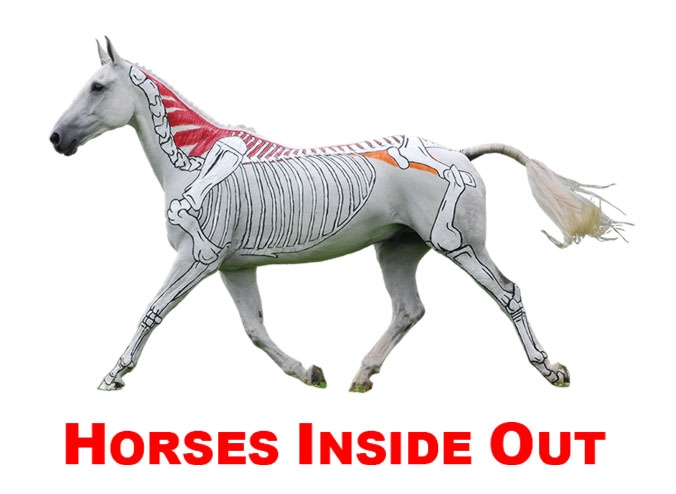
Horses Inside Out Conference

 There’s still time to get tickets for the Horses Inside Out Annual Conference. 

 Back this year at the Holywell Conference Center in Loughborough, it will be held on Saturday 18th and Sunday 19th February.  If you can’t be there in person, you can still attend virtually.


An array of expert speakers has been lined up for what promises to be an inspiring meeting. 


Topics to be covered include bitting, nutrition, training the equine brain, rider psychology, hindlimb lameness, hoof care, dental disease and more.


For all the details, go to: 


https://www.horsesinsideout.com/annual-conference-2023

Tuesday, December 27, 2022

Does early castration affect foals’ development?

Male horses are generally castrated to make them easier to manage. Traditionally equine castration (or gelding) has been carried out at the yearling stage (c6-18 months of age). The procedure may be delayed in the hope that doing so will allow the colt to grow more.


A recent study at the National Research Institute for Agriculture, Food and Environment, France, assessed theimpact of very early castration of foals on their morphological and behavioural development.


Juliette Cognie and co-workers compared the effect of early castration at 3 days of age and traditional castration at about 18 months.


The study used 22 male Welsh ponies from an experimental herd and included foals born in three consecutive years. A report is published in the Equine Veterinary Journal.


Eleven ponies were castrated as neonates (ie within three days of birth) and 11 as yearlings /18 months of age. All were castrated using a primary closure technique under general anaesthesia. 


The researchers report that no mare rejected her foal after surgery, and neither did any foal show any behavioural problems – such as refusing to suck - after recovery from the anaesthetic.


The research team followed the ponies’ progress until they were three years old.  They recorded weight and body size measurements - initially monthly until 8 months of age, then less frequently. Behavioural assessments were carried out when the ponies reached one- and three-years of age.


Overall, the researchers found no significant differences in temperament or physical development between horses castrated as neonates and those castrated as yearlings.


They conclude “early castration at 3 days does not interfere with morphological or behavioural development.”


For more details, see:


Early castration in foals: Consequences on physical and behavioural development.

Juliette Cognie, Sandrine Freret, Lea Lansade, Celine Parias Philippe Barriere Amandine Gesbert Fabrice Reigner Stefan Deleuze

Equine Veterinary Journal (2022)


https://doi.org/10.1111/evj.13580

Monday, December 26, 2022

Could analysing saliva help detect Equine Gastric Ulcers?

(c) Dahlskoge Dreamstime.com
Gastric ulcers are widespread in horses – studies have found ulcers in around 60% of sport
horses, and in up to 90% of Thoroughbred racehorses in training. 

Many non-specific signs have been attributed to gastric ulcers. Weight loss, reduced appetite, poor physical condition, dullness, colic, diarrhoea, poor performance and altered behaviour have all been blamed on gastric ulceration. Even so, adult horses with gastric ulcers often show no signs. 


Full assessment and a definitive diagnosis rely on the use of a gastroscope, which although relatively straightforward, is expensive.


In horses showing signs that might be due to gastric ulceration, a simple method of differentiating those with or without ulcers would be very useful.


Analysing saliva has proved useful – for example in behavioural studies where cortisol is measured as an indication of stress, and in assessment of tapeworm infection.


Could analysis of saliva provide a way of differentiating horses with gastric ulcers from normal horses??


In research conducted at the Large Animal Teaching Hospital at the University of Copenhagen the potential use of a panel of salivary biomarkers to detect Equine Gastric Ulcer Syndrome (EGUS) was evaluated.


Alberto Muñoz-Prieto and colleagues enrolled 147 horses in the study. They measured 23 salivary biomarkers and compared the values found in horses with EGUS, with those from healthy animals and from horses showing signs like EGUS but with no ulcers seen on gastroscopic examination. 


The research team found that 17 biomarkers were increased in saliva from horses with EGUS compared to healthy animals. Three of those biomarkers, uric acid (UA), triglycerides (Trig), and calcium (Ca), showed a modest but statistically significant difference between horses with EGUS and horses showing signs suggestive of EGUS but with no ulceration on endoscopy.


A full report of the work is published in Animals. 


The authors suggest that “These analytes could have potential use as biomarkers in horses with EGUS. For example, an ADA value within the range of healthy horses in our study could indicate that the horse is not likely to have EGUS at gastroscopy.” (ADA - adenosine deaminase – has been found to be higher in saliva of horses with gastric ulceration)


“In addition, higher values of UA, Trig, and Ca in a horse with clinical signs of EGUS would indicate a high probability of having EGUS at gastroscopy” they add. 


“These assays have the advantages of being non-invasive and also easy to measure because most of them are commercially available and are often included in the routine biochemistry profiles in clinical pathology laboratories.” 


“Further research using a larger population of horses will be needed to confirm these findings and the potential practical application of these salivary analytes in the diagnosis and treatment monitoring of EGUS.”


For more details, see:


Evaluation of a Comprehensive Profile of Salivary Analytes for the Diagnosis of the Equine Gastric Ulcer Syndrome. 

A Muñoz-Prieto; JJ Cerón; CP Rubio; MD Contreras-Aguilar; L Pardo-Marín; I Ayala-de la Peña; M Martín-Cuervo; I-M Holm Henriksen; JJ Arense-Gonzalo; F Tecles; S Hansen. 

Animals 2022, 12, 3261.

 https://doi.org/10.3390/ani12233261

Wednesday, December 21, 2022

Free webinar to update on Horse-Human Interaction research

(c) Photojogtom Dreamstime.com
A free webinar on the work of the Horse-Human Interaction Lab at Texas Tech University will
take place on
 January 4, 2023 at 7:00pm (ET)

Christine Rudd, a PhD candidate in the lab, will talk about her research into Equine-Assisted Services (EAS)volunteers and the relationship between volunteer education, session safety, and horse welfare. 

She’ll also describe some of her research investigating EAS horses’ experiences in some common activities and their implications for future research and equine wellbeing. 


For more details, go to:


https://horsesandhumans.networkforgood.com/events/51216-hhrf-january-2023-free-webinar?utm_campaign=dms_email_blast_2219657

Antibiotic use in equine practices in the UK

(c) Monika Wisniewska Dreamstime.com
Equine vets are not doing enough to limit the development of antimicrobial resistance, according to a recent study.

Antimicrobial resistance poses a significant and growing threat to human and animal health. Once antimicrobial resistance develops, it can result in treatment failure in veterinary patients and risks transferring resistant bacteria to people.


The study, by Sarah Allen and colleagues, set out to monitor antimicrobial use in equids in the UK. It was conducted as part of the VetCompass programme at the Royal Veterinary College (RVC) and was funded by the Veterinary Medicines Directorate.


The researchers used anonymised electronic health record data from 64,322 horses, ponies and donkeys in the year 2018, supplied by 39 veterinary practices. They analysed both the prescription data and clinical notes documented within these records.


Their findings highlighted that in 2018, approximately 20% of equids attended by the participating veterinary practices were prescribed an antimicrobial licensed for systemic administration.  Potentiated sulphonamides were the most commonly prescribed class of antibacterial agent. 


However, nearly nine per cent of treated equids received a Category B antimicrobial. The use of these agents, such as quinolones, 3rd- and 4th-generation cephalosporins and polymyxins, is restricted to try to ensure they remain effective for treating serious illness in human medicine.


Bacteriological culture and sensitivity testing was found to be rarely employed, despite its importance in protecting against antimicrobial resistance, by identifying the most appropriate antimicrobial to use. Fewer than one in five antimicrobial courses that included a Category B antimicrobial were supported by culture and sensitivity testing.


The study also identified several important risk factors for increased antimicrobial usage.  The research team found that the highest usage groups of Category B antimicrobials were equids under one year old, Thoroughbreds and racehorses. 


Meanwhile, the most common disorders that were treated with antimicrobials were urogenital (urinary and genital tracts), integumentary (skin and gland organs) and respiratory (airways, lungs and blood vessels) conditions.


Dr Allen said “The surveillance of equine antimicrobial usage helps the veterinary profession demonstrate their commitment to the responsible prescribing of antibiotics in the horse. We hope that by reporting on how commonly antimicrobials are prescribed to horses, and demonstrating where stewardship may be improved, others will look to compare and better their own prescribing of these vital medicines.


She suggests that more needs to be done to encourage the use of culture and sensitivity testing prior to treatment, especially when Category B antimicrobials are concerned. This will help ensure they remain effective and will reduce the risk of antimicrobial resistance developing.


For more details, see:


Use of antimicrobials licensed for systemic administration in UK equine practice

Sarah E. Allen, Kristien L. P. Verheyen, Dan G. O'Neill, Dave C. Brodbelt

Equine Vet J (2022)


https://doi.org/10.1111/evj.13878

Sunday, December 18, 2022

Steaming hay can lead to protein deficiency

 Hay can be treated with steam to reduce the horse’s exposure to inhaled allergens that cause
respiratory disease. Steaming kills potentially harmful microorganisms and binds fungal spores and dust particles to the hay making them less likely to be inhaled
 

However, new research shows that steam treatment can have an adverse effect on the digestibility of protein in the hay. 


A team of scientists from Martin Luther University Halle-Wittenberg (MLU) has discovered that steam treatment causes a chemical reaction that damages the proteins in the hay and makes them harder for horses to digest. This can lead to signs of nutrient deficiency in the animals and, for example, impair growth or muscle development. A report of the work is published in the journal Animals.


Professor Annette Zeyner from the Institute of Agricultural and Nutritional Sciences at MLU explains: “Many horses suffer from lung problems such as equine asthma. The steaming process virtually eliminates all of the living microorganisms and particles in the hay that could be inhaled during feeding and damage the lungs. In theory, the end result is a very good forage," 


However, her team discovered that the treatment also has its disadvantages as the steam damages the proteins in the hay. 


"A high proportion of the proteins, and the crucial amino acids contained in them, can no longer be digested by the small intestine - in other words the horse lacks these proteins as a result of the steam treatment. However, some of these protein components are essential for horses and they cannot be absorbed in the large intestine," Zeyner continues. 


The researchers demonstrated this by examining various hay samples collected from central Germany. In the steamed hay, they found an increased number of products that are generated by the Maillard reaction, an indication that the proteins in the hay have been damaged. This is a reaction that also takes place when food is cooked, baked or fried and is responsible for browning or the development of flavours. 


"Proteins are composed of amino acids. The steaming damages them and they form new complexes with sugars in the hay," explains the first author of the study, Caroline Pisch, from MLU. This makes them difficult for horses to digest. According to the researchers’ analyses, the treatment reduced the amount of protein that can be absorbed by the small intestine by almost half. The pre-caecal digestibility of the essential amino acid lysine was over 50% lower after steam treatment.


According to Zeyner, this can lead to an undersupply of essential amino acids from the feed, which can be a problem for growing horses or lactating mares; young horses need proteins to grow, and mares need them to produce milk. To make matters worse, protein deficiency causes very unspecific symptoms in the affected animals. These include impaired muscle development and a dull or shaggy coat with so-called "hunger hair" - long isolated hairs in the horse’s coat. 


She suggests that horse owners can counteract this risk by enriching the animals’ diet with protein-rich single feedstuffs such as yeast and soybean meal or high-quality protein-rich compound feeds. 


The report concludes: “steamed hay is still a proper and sometimes the only possible roughage for horses suffering from respiratory diseases such as equine asthma. Essentially, horse diets based on steamed hay should be balanced accordingly."


For more details, see:


Effect of Hay Steaming on the Estimated Precaecal Digestibility of Crude Protein and Selected Amino Acids in Horses

Caroline Pisch, Monika Wensch-Dorendorf, Uwe Schwarzenbolz, Thomas Henle, Jörg Michael Greef, and Annette Zeyner. 

Animals(2022) 12, no. 22: 3092. 

https://doi.org/10.3390/ani12223092

Saturday, December 17, 2022

Help wanted for Canadian quarantine research

(c) Anna Cvetkova Dreamstime.com
Horses travelling to competitions present a risk of bringing infections back home. At the event they encounter other horses and may pick up infectious diseases. As events often last only a few days, horses may return home while incubating the disease, and subsequently infect their stable mates. 

Researchers at the University of Guelph, Canada, are seeking participants for a study entitled “Effectiveness of Equine Facility Quarantine Procedures Following the Arrival of a New or Returning Horse”

The research, conducted at the Ontario Veterinary College, is funded by the Natural Sciences and Engineering Research Council (NSERC), and the Canada Research Chairs program. Principal investigators are Dr. Amy Greer, and Dr. Terri O’Sullivan aided by PhD candidate Gabrielle Turcotte. 

They explain that the research “seeks to examine the effectiveness of a quarantine protocol for an equestrian facility in the case of a potential spread of an infectious pathogen. We also hope to interview equestrian facility owners about the perceptions of risk of travel to off-property equestrian events and existing biosecurity procedures at home facilities.

“With most events in Ontario lasting no more than 4 days, horses can then return to their home facility before showing clinical symptoms of disease, putting the home facility herd at risk. This research study could help your facility evaluate its ability to maintain equine herd health and welfare. Additionally, your insight can have an impact on expectations and importance of quarantine protocols and help inform existing network simulations for equine infectious disease.”

So, if you are based within 90 minutes of Guelph or Toronto, with a horse facility housing between 5 and 20 horses, with more than one horse owner, that engage in off-property events, the research team would like to hear from you.
 
For more details, go to:

Wednesday, December 14, 2022

Horse training survey

(c) Silviu-florin Salomia Dreamstime.com
How do you train your horse?

Ella Bartlett at the University of Bristol is conducting an online survey looking into different horse training approaches, to see how widely they are used, and how people within the equestrian industry view them.


This study forms part of a PhD project which aims to improve our understanding of how horse owners make decisions in relation to the training of their horses.


The questionnaire is open to anyone aged over 18 years, who owns a horse, or has at least one horse on loan/ lease. Participants are welcome from around the world.


Twenty-two questions address topics relating to different horse training methods, including asking about your own approach, training beliefs and role in the equestrian industry. It should take approximately 15 minutes to complete. All responses are anonymous.


To take part, or for more details, see:


https://svs.onlinesurveys.ac.uk/horse-training-questionnaire?fbclid=IwAR0MvyYQp9TwAgkJ7wovsyF0A8_3skPOyle7LObFIlhfY-12lSRPe4kW13w


Sunday, November 27, 2022

Common drug could increase risk of sudden death in racehorses

(c) Donald Blais Dreamstime.com
A drug that has been widely used in Thoroughbred racehorses in North America could increase the risk of sudden death according to a new study.  

The research also identified other risk factors associated with sudden death, relating to the circumstances of the race and individual histories of the horses.


Conducted by Dr Euan Bennett, of the University of Glasgow’s School of Biodiversity, One Health and Veterinary Medicine and Prof Tim Parkin of the University of Bristol Vet School, the study is the first large-scale study of sudden death in Thoroughbred racehorses.


The work was funded by the Grayson Jockey Club Foundation. A report is published in the Journal of the American Veterinary Medical Association.


The study analysed over four million starts in horse racing over a 12-year period, using data recorded in the Equine Injury Database (EID), which contains details of nearly all official race starts made in the USA and Canada. About one in 10,000 race starts resulted in a racing-related sudden death for a horse.


For this study, “sudden death” was taken to include any fatality occurring within three days of racing, where the cause of death recorded in the EID was sudden death, pulmonary haemorrhage, exercise-induced pulmonary haemorrhage (EIPH), post-exertional distress/heatstroke (PED), or cardiac arrhythmia. Fatalities due to catastrophic musculoskeletal injury were not included.


The researchers identified a notable risk factor related to race day medication. Horses that were recorded as being administered furosemide were 62% more likely to experience sudden death compared to horses that weren’t on furosemide.


Furosemide (also known as frusemide and by the trade name Lasix) has been used to prevent exercise-induced pulmonary haemorrhage (bleeding in the airways). It is also associated with enhanced racing performance. As a result, 94% of horse starts in the study were on furosemide.


The ethics of race day medication are controversial. Furosemide is already restricted or prohibited on the day of racing in certain circumstances, depending on jurisdiction.


The results also suggest that it might be possible to identify horses at risk of sudden death before they experience it – for example, due to previous injury and interruption to training/racing. 


Amongst other findings were that the risk of sudden death was greater for stallions compared with mares, and for horses five years or older compared with horses three years old or younger. Other risk factors identified include season and value of race and race distance.


Dr Bennett said: “Over the last 12 years, the overall risk of fatality within three days of racing has decreased by over 30%, but the incidence rate of sudden deaths has not changed significantly. This suggests that while interventions have been made which have contributed to a reduction in catastrophic injury, there are different sources of risk for sudden death which have not yet been identified.


“This study suggests that a risk profile, identifying which horses are at the greatest risk of sudden death, may be possible. Given how rare the outcome is, further work is required to establish any potential interventions which might contribute to a reduction in sudden deaths.


“On the association between furosemide use and sudden death, the fact that furosemide use is so common makes this result particularly remarkable given the statistical power of this large-scale study. Discussions around the ethics of race day administration of drugs should factor in potential risks such as those identified here, and further work is required to understand exactly why we identified this association.”


For more details, see:


Fifteen risk factors associated with sudden death in Thoroughbred racehorses in North America (2009–2021)

Euan D. Bennett and Tim D. H. Parkin

Journal of the American Veterinary Medical Association (2022)
https://doi.org/10.2460/javma.22.08.0358